The voyage to Proxima b
After a successful departure from the L2 point on 1 January 2026, the Panzé-Space set course for the exoplanet Proxima Centauri b. A voyage of 4.24 light-years, 1,404 Earth days and 1,017 days lived aboard a ship 47 km across. Its top speed reaches 0.89 c, under a constant thrust of 1 g.
Mission timeline



Rocket launch
31 December 2025
The last rocket has just lifted off from Earth. During the night of 1 January it will reach Panzé-Space, waiting at the L2 Lagrange point, 1.5 million km from Earth.





Planet Nine flyby
29 January 2026 at 20:43 UTC
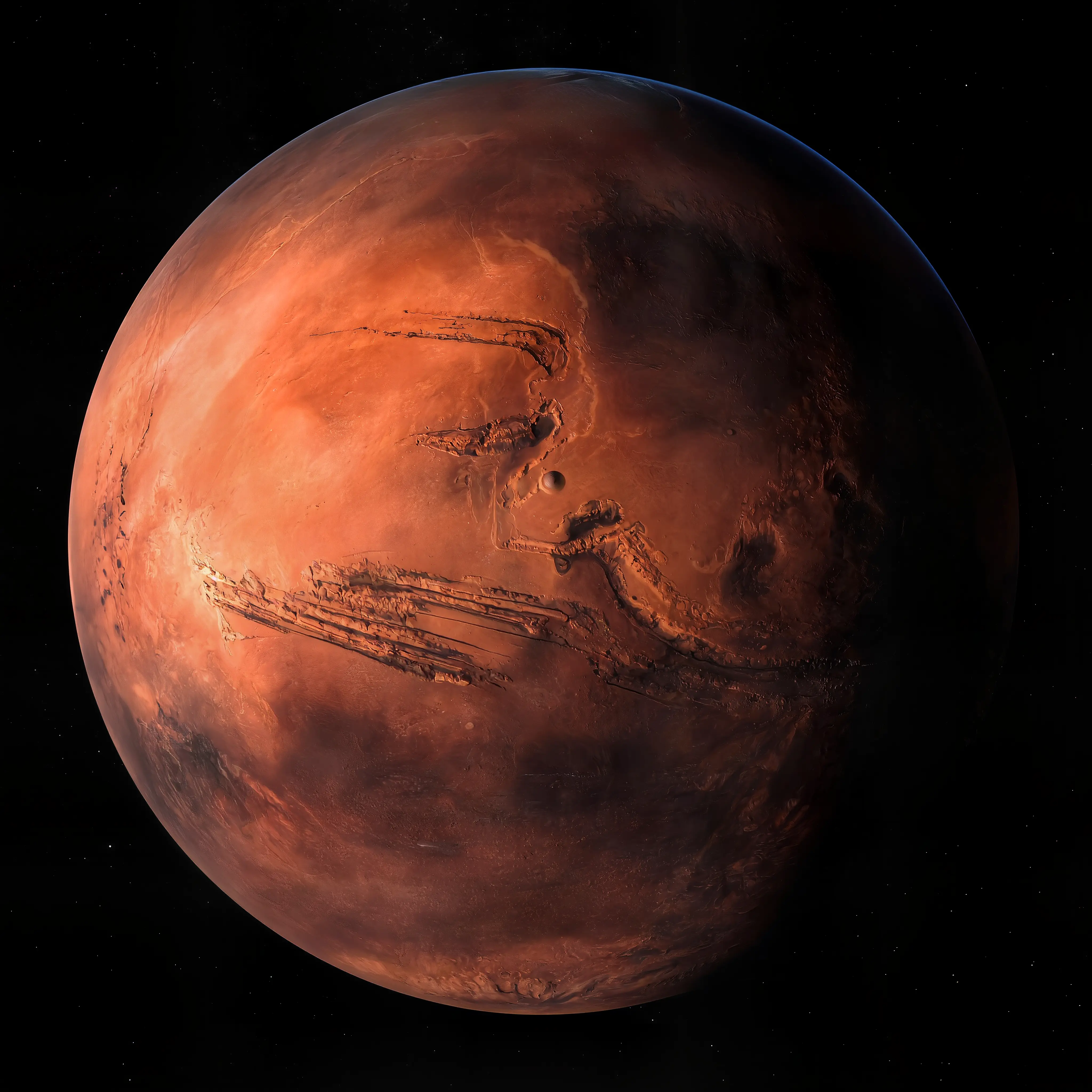
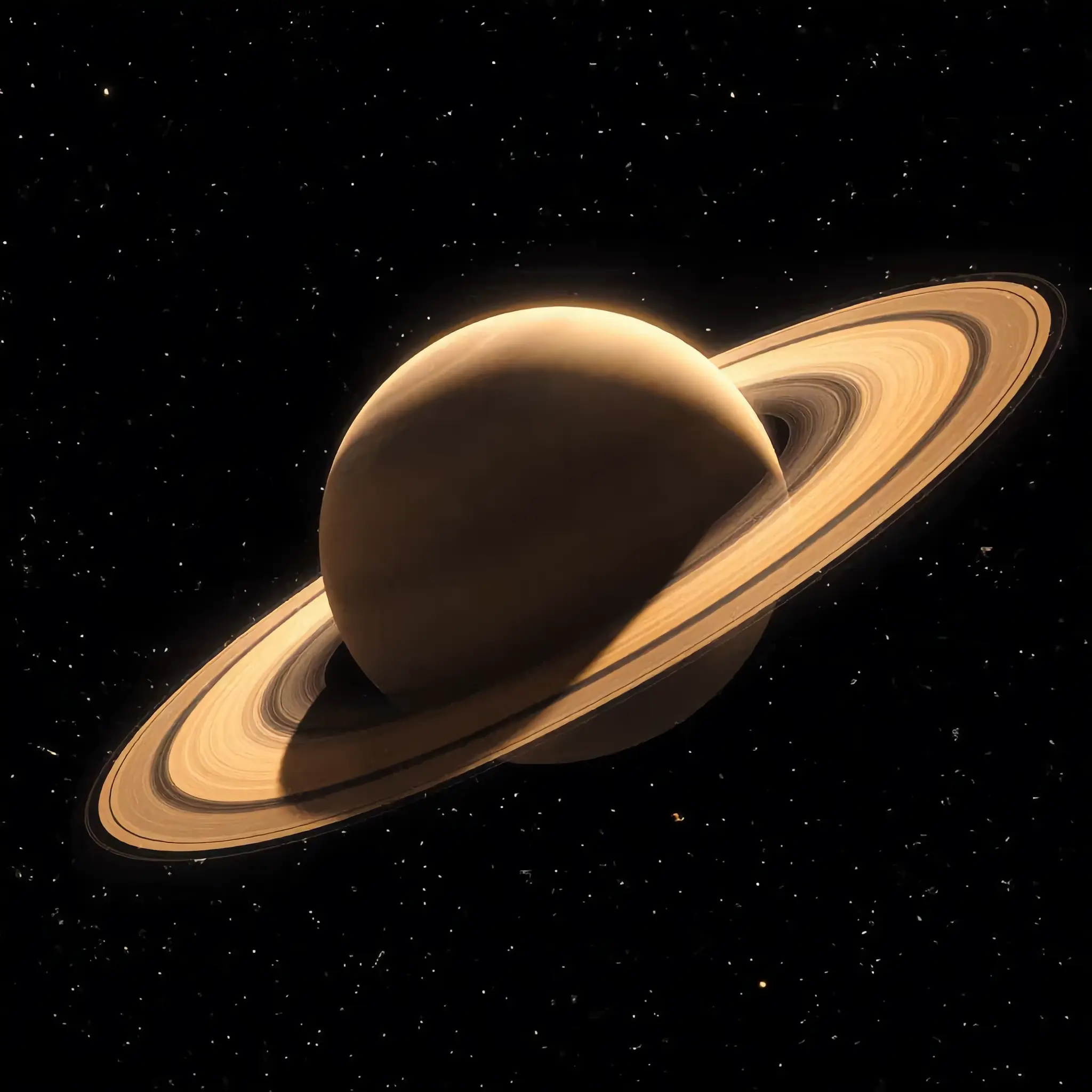
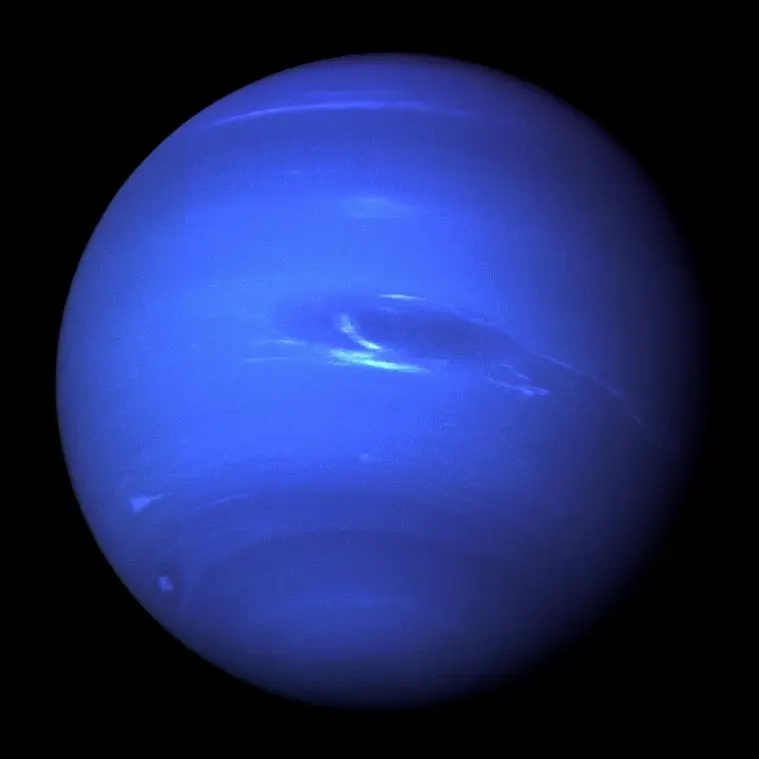
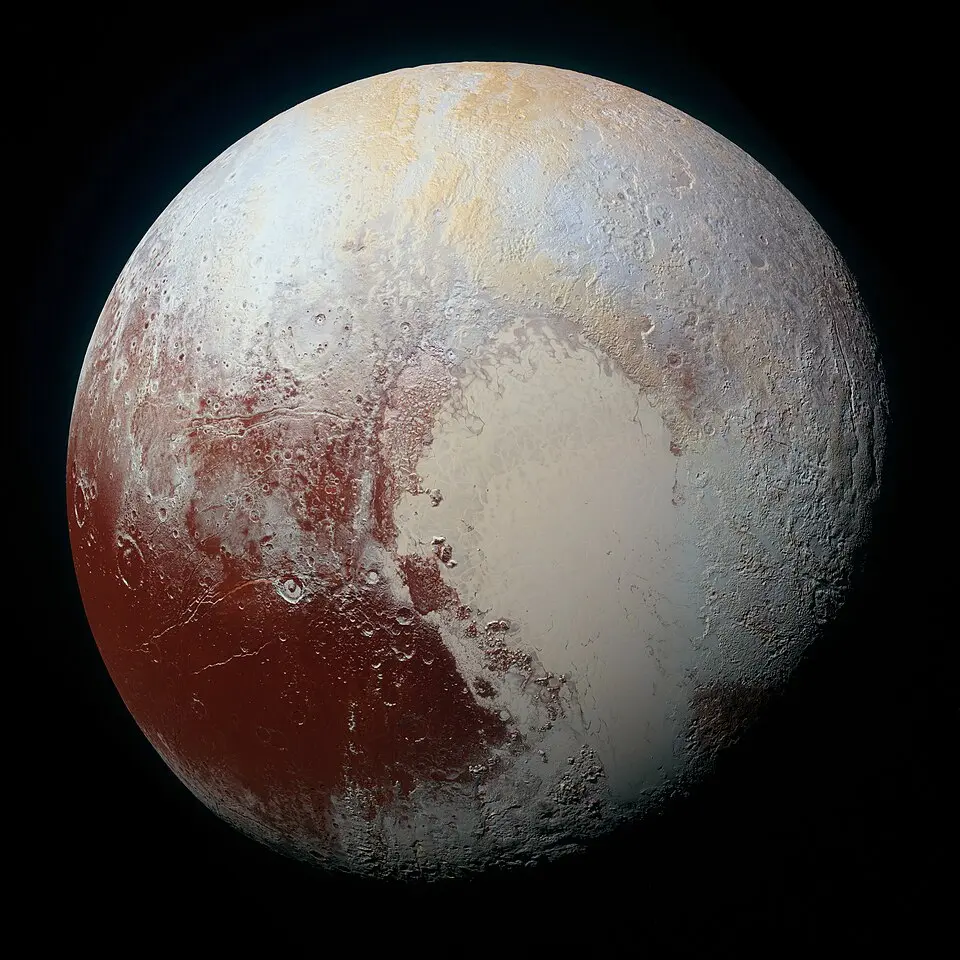
Nobody on Earth had ever seen it: its presence was only guessed from the disorder it caused in the orbits of small icy bodies. Here it is. Planet Nine exists, and it sits right where astronomers had been looking for it, 200 times the Earth-Sun distance. About five Earth masses, a year lasting nearly ten thousand years, and a Sun so distant that noon here is no brighter than dusk back home. The first picture ever taken of it is on its way to Earth: it will arrive in a little over a day.

Entering the inner Oort cloud
23 February 2026 at 21:21 UTC
Also known as the Hills cloud, this disc of icy bodies begins around 700 times the Earth-Sun distance. The ship is already travelling at 0.150 c and now covers the Earth-to-Pluto gap in under two days.

Outer Oort cloud
21 June 2027 at 15:59 UTC
A year and a half of continuous thrust later, Panzé-Space crosses the outer shell of the Oort cloud at 0.835 c. At this speed, time no longer passes quite the same: one day aboard is already worth 1.82 days on Earth.

Wormhole entry
4 December 2027 at 09:46 UTC
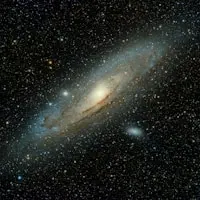
End of the acceleration phase, at a peak speed of 0.893 c. The wormhole doubles as the turnaround: the ship never has to flip over in open space. It has covered 1.184 light-years in 702 Earth days, 508 days aboard.
Wormhole exit
4 December 2027 at 10:46 UTC
One hour of transit, 1.872 light-years saved. The ship comes out the same distance from Proxima Centauri as it had covered from the Sun, but pointed at its target: deceleration begins, a mirror image of the climb.

Entering the Proxima Centauri system
29 July 2029 at 00:38 UTC
Twenty months of continuous braking have brought the ship down to 0.271 c. Proxima Centauri, a red dwarf nearly twice as cool as the Sun, is now the star lighting the porthole.
Proxima c flyby
3 November 2029 at 03:19 UTC
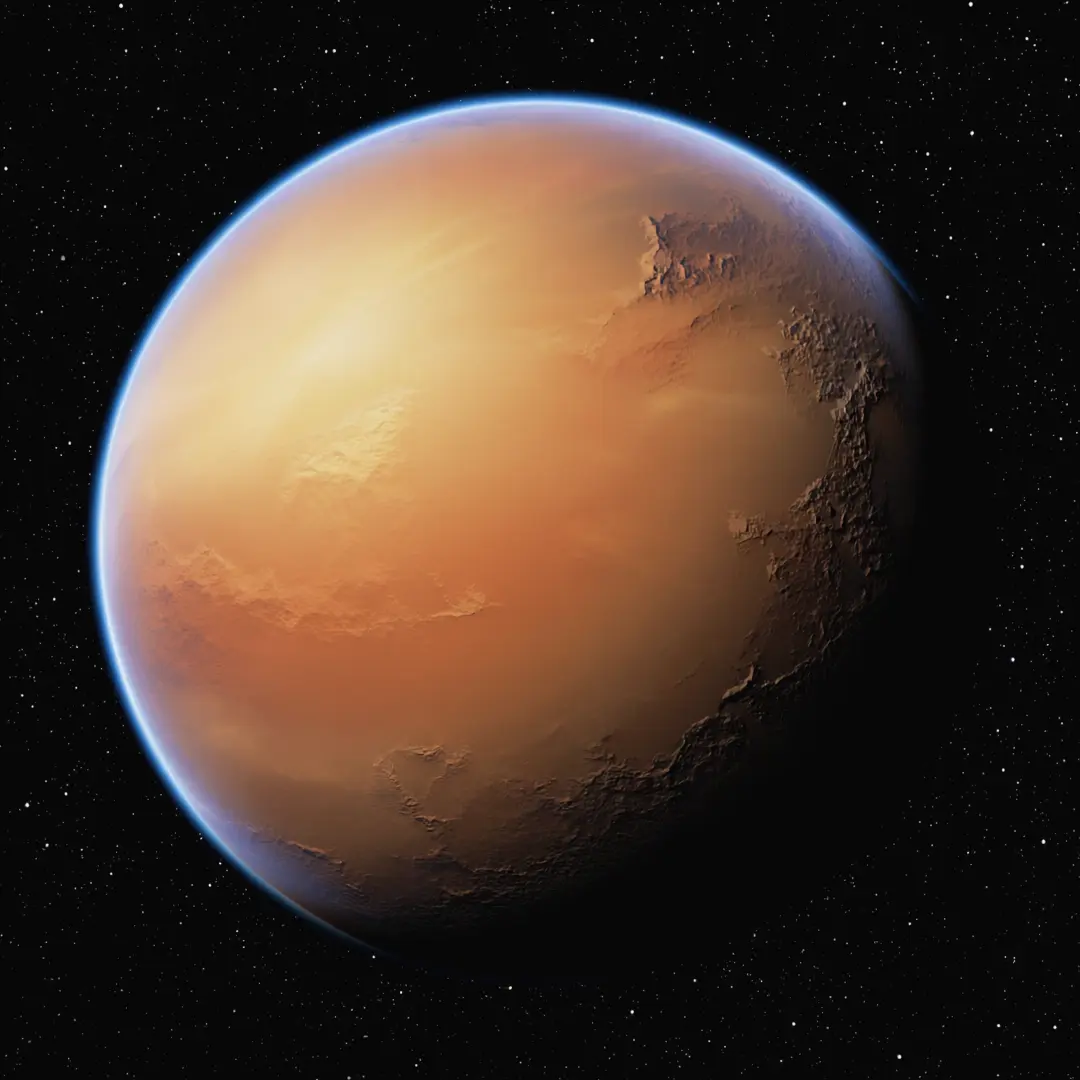
Two and a half days before arrival. Proxima c, an icy super-Earth of about seven Earth masses, completes its orbit in five years, 1.49 AU from its star. The ship passes it at 2,091 km/s: nearly all the speed is gone.

Orbital transfer to Proxima b
5 November 2029 at 13:00 UTC
The final hour and a half of flight. Panzé-Space is now just 150,000 km from Proxima b and is manoeuvring onto its capture trajectory.

Final orbital insertion
5 November 2029 at 14:33 UTC
Arrival at relative rest around Proxima b, 1,404 days after departure. Aboard, only 1,017 have passed: relativity has handed the crew 388 days.
Mission deployment
5 November 2029 at 20:00 UTC
Five and a half hours after insertion, the modules separate and the mission truly begins.

Postcard from the Panzé-Space
Tip: download the image, then attach it to your post to share it with the visual.